Actionable Insights: Top 5 Things AgTech Hardware Developers Need to Know in 2024
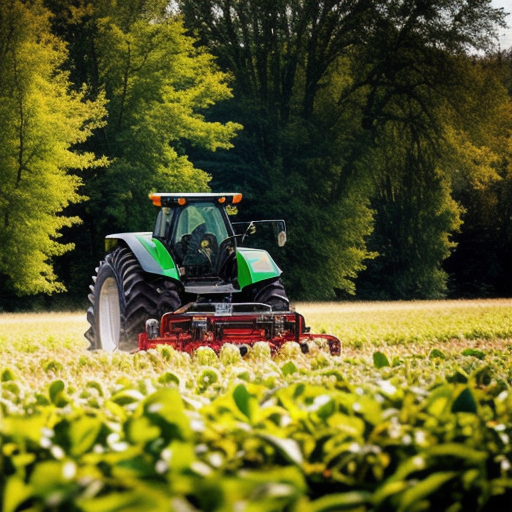
The agricultural revolution is underway, and at the forefront are AgTech hardware developers. Your creations – from precision sensors to autonomous robots – are the physical tools revolutionizing how we grow food. But navigating this fertile yet demanding landscape requires a unique skillset. Here are the top 5 things you need to know in 2024:
1. Embrace the data symphony: Your hardware generates valuable data, but can it sing harmoniously with others? Master integration and interoperability. Collaborate with software developers to ensure seamless data flow from sensors to platforms, avoiding isolated silos of information.
2. Understand the farmer's language: You speak fluent hardware, but do you understand the challenges farmers face? Embrace collaboration and empathy. Partner with agronomists, farmers, and researchers to ensure your hardware addresses real-world needs, not just technical specifications.
3. Durability is king (and queen): Farm environments are harsh. Design hardware that's robust, weatherproof, and built to last. Consider factors like dust, moisture, extreme temperatures, and potential animal interactions. Remember, farmers need reliable tools, not constant replacements.
4. Power up for the future: Energy efficiency is crucial. Explore low-power technologies, consider solar or alternative energy sources, and optimize battery life for long-term sustainability. Remember, farmers appreciate solutions that minimize dependence on traditional power grids.
5. Security matters, from the ground up: Hardware vulnerabilities can expose sensitive data. Prioritize cybersecurity. Implement secure communication protocols, encrypt data transmissions, and stay vigilant against potential breaches. Remember, a secure harvest starts with secure hardware.
Bonus Tip: Think beyond the individual farm. Explore how your hardware can integrate with broader IoT ecosystems and connected agriculture platforms. This opens doors to exciting possibilities like remote monitoring, data-driven insights, and improved decision-making across the entire food chain.
By understanding these key points, you can become an AgTech hardware developer who not only builds innovative tools but also creates real value for farmers and contributes to a more sustainable future of agriculture. Remember, your hardware is the physical embodiment of progress, so cultivate solutions that truly make a difference.
Member discussion