Tech Brief: Open-Field Farming
“Open-Field Farming” isn't necessarily a concept that is directly related to AgTech, as it refers to the traditional method of growing crops in outdoor fields, largely relying on natural elements like sunlight, rain, and soil conditions. However, AgTech plays a growing role in transforming and supplementing open-field practices to improve efficiency, sustainability, and profitability.
Here's how the relationship unfolds:
Traditional Open-Field Farming:
- Large, outdoor fields: Crops are grown directly in soil, exposed to natural weather conditions.
- Limited control: Farmers rely on their knowledge, experience, and intuition to manage crops based on environmental factors.
- Challenges: Prone to weather risks,unpredictable yields, resource inefficiencies,and pest/disease pressures.
AgTech Integration in Open-Field Farming:
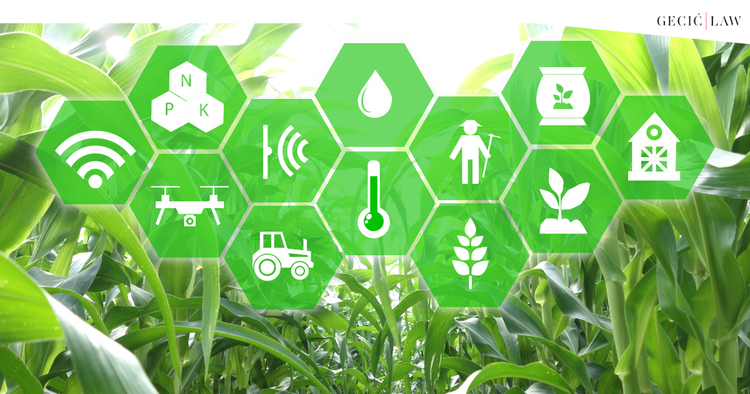
- Precision agriculture: Leveraging data and technology to optimize various aspects like seed selection, planting practices, irrigation,and fertilization based on specific field conditions.
- Remote sensing: Using drones and satellites to gather data on crop health, soil moisture, and potential pest issues, enabling targeted interventions.
- Variable rate technology: Applying inputs like water and fertilizer precisely based on individual plant needs within a field,maximizing resource efficiency.
- Weather forecasting and risk management: Utilizing predictive models to anticipate weather events and implement proactive measures to protect crops.
- Automated machinery: Employing smart tractors, harvesters, and other equipment for more efficient and precise field operations.
Benefits of AgTech in Open-Field Farming:
- Increased yields and improved quality:Data-driven insights and targeted interventions lead to better crop growth and production.
- Reduced costs: Optimized resource use and minimized waste from overapplication of inputs.
- Enhanced sustainability: Precision practices promote soil health, water conservation, and reduced environmental impact.
- Improved risk management: Proactive measures based on data and forecasts help mitigate weather and pest threats.
- More informed decision-making: Data analysis provides deeper insights for effective farm management.
While open-field farming remains the dominant approach, AgTech integration is becoming increasingly crucial for its evolution and long-term viability. By embracing advancements in data, automation, and precision agriculture, farmers can achieve greater efficiency, resilience, and sustainability in their operations, ensuring a more productive and stable future for open-field agriculture.
Remember, AgTech isn't replacing traditional methods entirely, but rather augmenting them with innovative tools and knowledge to address challenges and unlock new possibilities for open-field farming.
Member discussion