Tech Brief: AI and Machine Learning in AgTech
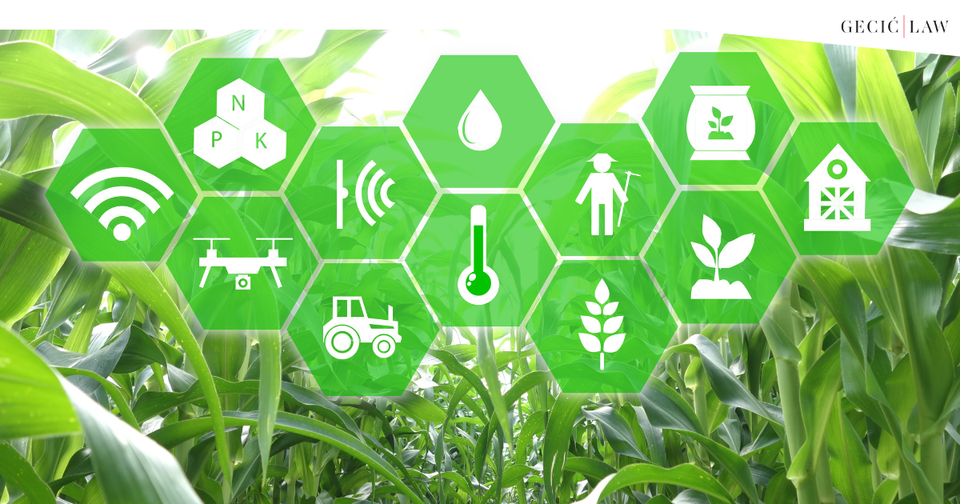
In the ever-evolving world of AgTech, artificial intelligence (AI) and machine learning (ML) are rapidly transforming how farmers manage their crops, optimize resources, and improve yields. These powerful tools act as the "brains" behind the "brawn" of modern agricultural practices, analyzing vast amounts of data to deliver valuable insights and automate complex tasks.
Understanding the Difference:
- Machine Learning: A subset of AI, where algorithms learn and improve their performance over time by analyzing data without being explicitly programmed.
- Artificial Intelligence: A broader field encompassing the development of intelligent machines capable of mimicking human cognitive functions like learning and problem-solving.
Applications in AgTech:
- Yield prediction: Analyze historical data,weather patterns, and sensor readings to predict crop yields with high accuracy,enabling informed planning and resource allocation. [Sample Companies: Agrible, Farmers Edge, AgriData, Arable Labs, CropX, Taranis, AgriSight, Prospera Technologies, FluroSat, AgriSync]
- Pest and disease detection: Identify crop issues early based on images, sensor data,and historical patterns, allowing for timely intervention and reduced losses.
- Precision irrigation: Optimize water usage by analyzing soil moisture, weather data,and plant needs, minimizing waste and maximizing water efficiency.
- Fertilizer management: Recommend targeted fertilizer application based on soil nutrient levels and specific crop needs,promoting optimal plant growth and minimizing environmental impact.
- Livestock management: Monitor animal health, predict potential issues, and optimize feeding practices using sensor data and machine learning algorithms.
How it works:
- Data collection: Sensors, satellites, drones, and other technologies gather vast amounts of data on various aspects of the farm, including weather, soil conditions, crop health, and livestock activity.
- Data pre-processing: Raw data is cleaned,organized, and formatted for use in machine learning models.
- Model training: Algorithms are trained on historical data and learn to identify patterns and relationships between various factors.
- Prediction and recommendation: Trained models analyze new data and generate predictions about yields, pest outbreaks,resource needs, or potential problems.
- Action and feedback: Farmers utilize the insights to make informed decisions and take actions like adjusting irrigation,applying targeted treatments, or optimizing resource allocation.
- Continuous learning: As new data is collected and analyzed, the models continuously learn and improve their accuracy and performance over time.
Benefits:
- Improved decision-making: Data-driven insights empower farmers to make informed choices based on objective analysis, not just experience or intuition.
- Increased efficiency: Optimized resource use, targeted interventions, and automated tasks minimize waste and maximize yields.
- Reduced costs: Early detection of problems and precision practices lead to lower costs associated with crop losses, wasted resources, and unnecessary treatments.
- Enhanced sustainability: Efficient water and fertilizer use, reduced chemical dependence, and improved soil health contribute to a more sustainable future for agriculture.
Challenges:
- Initial investment: Implementing advanced technologies and data infrastructure can be expensive.
- Data security and privacy: Concerns exist about data ownership, security, and potential misuse of farm data.
- Technical expertise: Understanding and utilizing complex data analysis tools may require additional training or support.
The Future of Machine Learning and AI in AgTech:
As technology continues to advance, ML and AI are poised to play an even more critical role in shaping the future of agriculture. With the development of more sophisticated algorithms, increased computing power, and improved data security solutions, these technologies will empower farmers to become data-driven decision-makers, unlock new levels of efficiency and sustainability, and contribute to a more food-secure world.
Conclusion: While ML and AI hold immense potential, their success hinges on ethical implementation, farmer education, and collaboration between technology developers, data scientists, and the agricultural community. By working together, we can harness the power of these technologies to create a future where agriculture thrives, and everyone benefits.

Member discussion