Tech Brief: Robotics and Drones
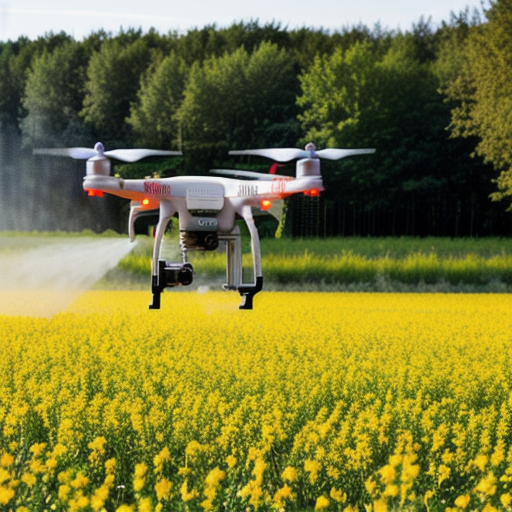
Robotics and Drones is a field that includes various technologies that are used to automate tasks, collect data, and improve decision-making for farms. This AgTech field includes drone companies and related drone services designed for agricultural, as well as farming robots and intelligent or programmable farm machines that perform various farm tasks and functions.
Sample Vendors: Blue Ricer Technology, TerrAvion
Robotics:
- Ground-based robots: These come in various shapes and sizes, performing tasks like weeding, harvesting specific crops (e.g.,strawberries), planting seeds, and even milking cows in automated milking parlors.
- Autonomous tractors: These high-tech tractors can navigate fields using GPS and sensors, automatically performing tasks like plowing, seeding, and spraying without a driver.
Drones:
- Aerial data collection: Equipped with multi-spectral cameras and other sensors, drones can map fields, assess crop health, identify pests and diseases, and monitor irrigation needs.
- Precision spraying: Drones can precisely apply pesticides and fertilizers only to designated areas, reducing waste and environmental impact.
- Livestock monitoring: Drones can be used to track herds, monitor their health, and identify strays or injured animals.
Benefits:
- Increased efficiency and productivity:Automating tasks and using data-driven insights allows farms to produce more with fewer resources.
- Reduced costs: Lowering labor costs,minimizing waste in inputs like pesticides and water, and optimizing resource allocation can significantly impact a farm's bottom line.
- Improved sustainability: Precision agriculture promotes practices that conserve water, reduce chemical use, and protect soil health.
- Enhanced safety: By automating dangerous tasks and enabling remote monitoring,AgTech Robotics and Drones can keep farmers out of harm's way.
Challenges:
- High initial investment: Adopting these technologies can be expensive for smaller farms.
- Data management and analysis: Extracting meaningful insights from the vast amount of data collected requires expertise and resources.
- Regulatory hurdles: Drone usage is subject to regulations that vary by region, which can hinder adoption.
- Ethical considerations: The use of robotics and data in agriculture raises questions about job displacement, privacy, and responsible data use.
Overall, AgTech Robotics and Drones represent a significant advancement in agriculture, holding the potential to transform the industry towards greater efficiency, sustainability, and profitability. However, addressing the challenges and ensuring responsible implementation are crucial for realizing the full potential of this technology.
Member discussion